

Inside Meta and Oracle’s Data Center Strategy
Hyperscalers Shift Focus from AI Expansion to Financial Sustainability
The race to build AI infrastructure is entering a new phase. Instead of simply adding more data centers and computing capacity, major hyperscalers are increasingly focused on managing the financial risks tied to these massive investments.
Recent regulatory filings and evolving business strategies suggest that companies such as Oracle and Meta recognize that AI infrastructure projects carry significant uncertainty. While the long-term opportunity remains enormous, these firms are also acknowledging that multibillion-dollar investments may face delays, higher costs, or lower-than-expected returns.
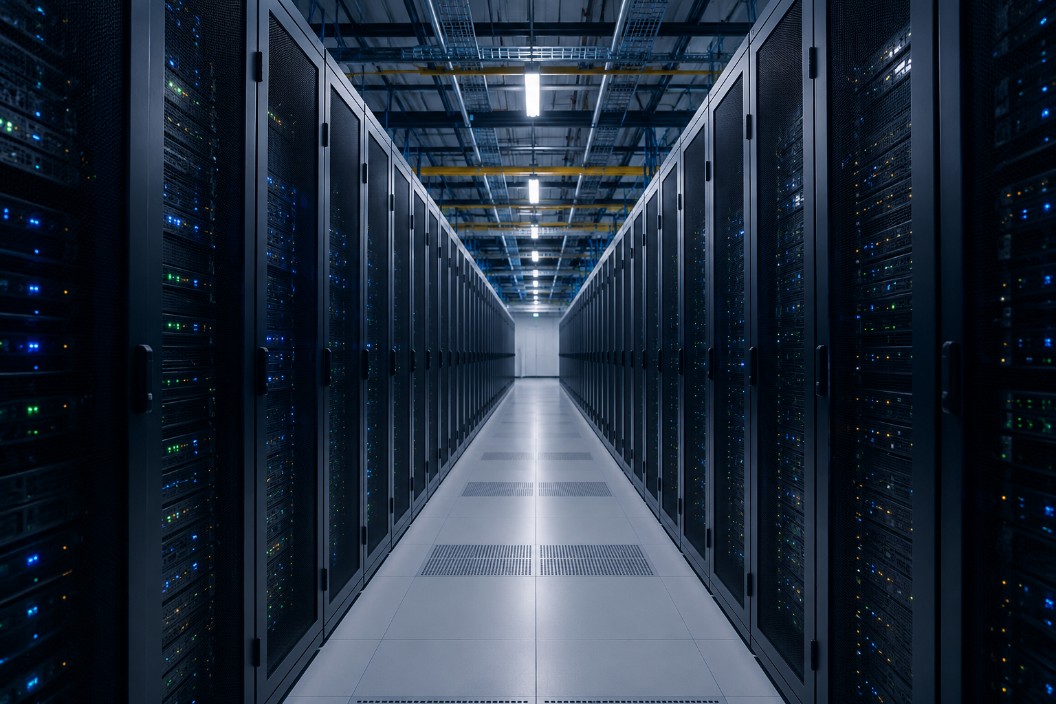
Figure 1. Meta and Oracle’s Data Center.
Oracle Highlights Infrastructure Risks
In its latest annual filing with the U.S. Securities and Exchange Commission (SEC), Oracle outlined several risks associated with its expanding data center footprint. The company noted that construction schedules could be disrupted by supply chain constraints, regulatory approvals, labor shortages, or delays from contractors and equipment suppliers. Any of these issues could increase project costs and slow deployment timelines.
Oracle has committed heavily to AI infrastructure, including its reported involvement in the $300 billion Stargate initiative with OpenAI. The company continues to secure long-term agreements with data center operators and hardware suppliers to support growing cloud demand. Figure 1 shows meta and oracle’s data center.
However, Oracle also acknowledged that inaccurate forecasts of customer demand or infrastructure requirements could leave it with insufficient capacity to serve clients—or, conversely, expensive facilities that are difficult to repurpose or lease if demand falls short. The company emphasized that continued success will depend on delivering competitive cloud services, expanding capacity efficiently, and accurately anticipating future market needs.
Meta Looks Beyond Infrastructure Spending
Meta is pursuing a similar expansion strategy while exploring new ways to generate returns from its AI investments. Reports indicate the company is evaluating cloud-based services that would allow businesses to rent AI computing resources or access AI models hosted on Meta's infrastructure.
Such offerings could position Meta as a competitor to established cloud providers while creating new revenue streams from its growing network of AI data centers. The initiative would also help offset the enormous capital required for advanced AI chips and large-scale computing infrastructure, supporting the company's long-term ambitions in advanced artificial intelligence.
Meta's own regulatory disclosures acknowledge that large infrastructure projects involve complex regulatory, political, and operational challenges. The company noted that it has previously modified, delayed, or canceled projects when necessary and expects similar decisions may be required in the future.
The Industry's Biggest Buildout
According to industry estimates, the four largest hyperscalers—Alphabet, Amazon, Microsoft, and Meta—could collectively invest as much as $725 billion in AI infrastructure this year. Analysts describe the current wave of data center construction as unprecedented, reflecting the industry's determination to secure the computing capacity needed for next-generation AI services.
Despite the scale of these investments, companies are becoming increasingly disciplined about balancing expansion with financial sustainability. Rather than pursuing growth at any cost, they are placing greater emphasis on ensuring that infrastructure investments deliver long-term returns.
What It Means for Enterprise Buyers
For enterprise customers, increased competition among hyperscalers could ultimately lead to more efficient infrastructure and improved cloud services. However, the near-term outlook remains challenging.
As hyperscalers continue investing at record levels, demand for critical components—including AI accelerators, high-bandwidth memory, networking equipment, and skilled construction labor—is expected to keep prices elevated [1]. Organizations building their own AI infrastructure will face intense competition for both hardware and talent.
For many businesses, the most practical strategy will be to leverage cloud-based AI platforms rather than attempting to match the spending power of the industry's largest technology companies. Success is likely to depend less on owning massive infrastructure and more on deploying AI efficiently, selecting cost-effective models, and making carefully targeted investments.
Reference:
- https://www.networkworld.com/article/4191991/what-meta-oracle-moves-say-about-data-center-economics-2.html
Cite this article:
Keerthana S (2026), Inside Meta and Oracle’s Data Center Strategy, AnaTechMaz, pp.200
Recent Post
-
World’s First Optical Computing System Launched by Lumai
Lumai has launched the Iris Nova server, described as the first optical computing system capable of running...
-
Apple Supplier Tata Electronics Confirms Security Incident
Tata Electronics has confirmed that it recently experienced a cybersecurity incident after the World...
-

New macOS Malware PamStealer Uses PAM to Validate Stolen Data
Security researchers have uncovered a previously undocumented macOS infostealer, PamStealer...
-

Tiny Diamond Sensor Pinpoints Power Losses Inside Data Centers
While much of the quantum industry's focus remains on developing powerful quantum computers, one...
-
Inside Meta and Oracle’s Data Center Strategy
The race to build AI infrastructure is entering a new phase. Instead of simply adding more data....
-

SpaceXAI Addresses Developer Data Found in Grok's Release
SpaceXAI has acknowledged that its Grok Build coding assistant retained coding data for some users....
-

Proton Reinforces its Privacy-First Approach for VPN Users
Proton has reaffirmed its commitment to protecting user privacy after releasing its latest Proton VPN...