

ChatGPT Solves a Previously Unproven Geometry Problem for the First Time
Human Verification and the Future of AI Research
While the model made a powerful contribution, researchers emphasize that human expertise is still crucial for confirming results and addressing any remaining gaps in the proof. This process also reveals both the strengths of language models and the ongoing challenges in validating their outputs.
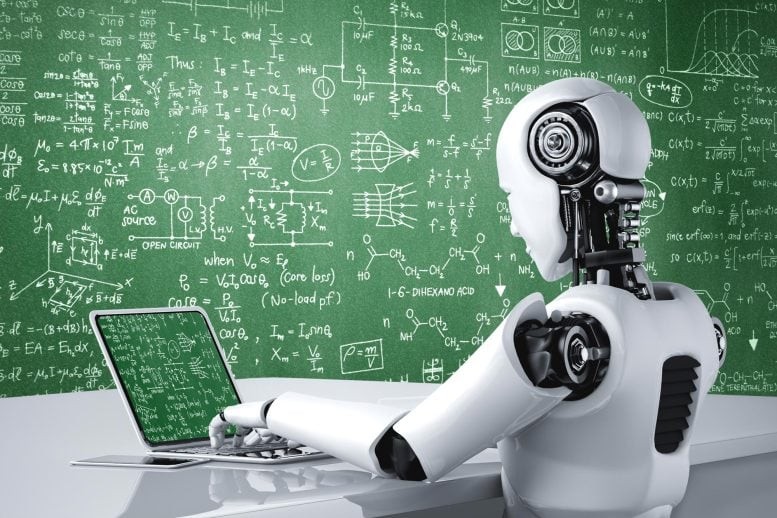
Figure 1. AI Cracks a Long-Unsolved Geometry Problem for the First Time.
The study marks an important milestone for AI in theoretical research. Moving beyond tasks like coding or writing, language models are beginning to assist in generating original mathematical insights—especially when combined with careful human supervision. As noted by VUB professor Andres Algaba, generating potential proofs can now be significantly faster, but verifying them remains the main bottleneck. However, he adds that language models may increasingly support this verification process as well. Figure 1 shows AI Cracks a Long-Unsolved Geometry Problem for the First Time.
A Breakthrough in Geometry
For the first time, a language model like ChatGPT has contributed to solving a previously unproven problem in geometry. This marks a major moment where AI steps beyond assisting tasks and begins engaging in original mathematical discovery.
How the Solution Emerged
Researchers used the model to generate possible approaches and logical steps toward a proof. Instead of solving it instantly, the AI explored multiple pathways, helping mathematicians identify promising directions more quickly than traditional methods.
Collaboration Between AI and Humans
The breakthrough wasn’t achieved by AI alone. Human researchers played a critical role in guiding the process, refining ideas, and ensuring that each step followed rigorous mathematical standards.
The Challenge of Verification
Even after the AI proposed a solution, verifying the proof remained complex. Human experts had to carefully check every detail, highlighting that validation is still one of the biggest challenges in AI-assisted research.
What This Means for the Future
This achievement signals a shift in how research may evolve. AI tools could accelerate discovery in fields like mathematics and physics, acting as creative collaborators—while human oversight ensures accuracy and reliability.
Source:TC
Cite this article:
Priyadharshini S (2026), ChatGPT Solves a Previously Unproven Geometry Problem for the First Time, AnaTechMaz, pp. 362
Recent Post
-

Spotify Trials Tool to Prevent AI-Generated Music Being Misattributed to Artists
As AI-generated “slop” increasingly floods music streamin....
-
ChatGPT Solves a Previously Unproven Geometry Problem for the First Time
While the model made a powerful contribution, researchers....
-

“Study Finds 67% of Android Apps Collect Undisclosed User Data”
A sweeping academic study has uncovered a major transparency...
-

“Samsung Galaxy S25 Faces Security Concerns Over Browser Exploits”
Security researchers have uncovered a serious vulnerability in the ....
-

“Firefox Quietly Tests Brave’s Ad-Blocking Technology”
Mozilla has quietly begun testing a new approach to ad and tracker blocking in Mozilla Firefox—one that...
-

Android 17 Rolls Out Stronger Safeguards Against Scam Calls
Android 17 is set to introduce a major wave of privacy and security upgrades aimed at protecting users....
-

Meta Restricts WhatsApp Access for Competing AI Chatbots in Major Shift
Meta is reportedly planning to allow select third-party AI chatbots.....