

Creating Trust Through Transparency
People are more likely to trust machines that appear to experience the world like they do. When a robot shows signs of "tiredness" or "focus," it becomes more transparent and relatable—making it easier for humans to predict its behavior.

Figure 1. Building Trust with Transparency.
What Does Transparency at Work Mean?
Being transparent at work is like looking into a mirror—what a leader shows, they often receive in return. When leaders act with honesty and openness, it creates a safe environment where team members feel comfortable being vulnerable and honest themselves. For instance, when a leader welcomes honest feedback, it encourages the whole team to communicate openly. Figure 1 shows Building Trust with Transparency.
I recall a personal experience that highlighted this. A team member once asked if I had a few minutes to talk. I said yes, but they hesitated, mentioning I had glanced at my watch—a subtle signal that I was distracted. I hadn’t even realized I did that, and it made me reflect on how my unconscious actions might affect others. I thanked them for pointing it out and immediately wondered how often I might have done the same unknowingly.
Building Trust Through Transparency
Transparency fosters a collaborative environment where leaders clearly share the vision and demonstrate confidence in their team’s ability to achieve goals. When employees understand the goals and see the bigger picture, they feel valued and more connected to the team’s success.
Encouraging Open Communication
Transparency opens the door for meaningful communication. It helps employees feel engaged and part of something larger than just their daily tasks.
Think back to a meeting where your leader shared the overall goal and invited everyone to contribute ideas first. This kind of inclusive approach sparks innovation and builds trust. When everyone’s thinking together, the team focuses on the best solutions—leading to stronger decisions and a more united team.
How To Build Trust and Transparency as A Leader
Transparency in leadership is like looking through a clean pair of glasses—it offers clear insight into what’s happening within the team and organization. But transparency isn’t just a leadership trait; it’s a value for everyone on the team. It means owning both successes and setbacks openly. Leaders who confront challenges honestly and share the lessons they learn naturally earn their team’s trust and respect. This is what true transparency looks like.
Prioritize Empathy in Employee Relations
Today’s employees deeply value genuine human connection with their leaders. They want to know their leaders understand where they’re coming from. Building trust starts with empathy—finding common ground and showing you care.
Some leaders may worry that being emotionally connected might weaken their authority, but the opposite is true. Empathy strengthens leadership. When employees feel truly heard and appreciated, they’re more motivated to contribute their best and collaborate effectively.
Respect Employee Ideas
Transparency creates a safe space for employees to speak their minds. It’s crucial to show your team that their opinions matter and that you’re actively listening.
Many leaders claim to have an “open-door policy,” but actions don’t always match words. How can you demonstrate that your door is genuinely open? By being approachable and welcoming feedback, leaders break down barriers, encouraging honest conversations and fostering a more collaborative work environment.
References:
- https://www.forbes.com/councils/forbesbusinesscouncil/2024/05/21/leading-with-trust-and-transparency/
Cite this article:
Priyadharshini S (2025), Why Intempus Believes Robots Should Mimic Human Physiological States, AnaTechMaz, pp. 4
Why Intempus Believes Robots Should Mimic Human Physiological States
(EPISODE 'S)
-
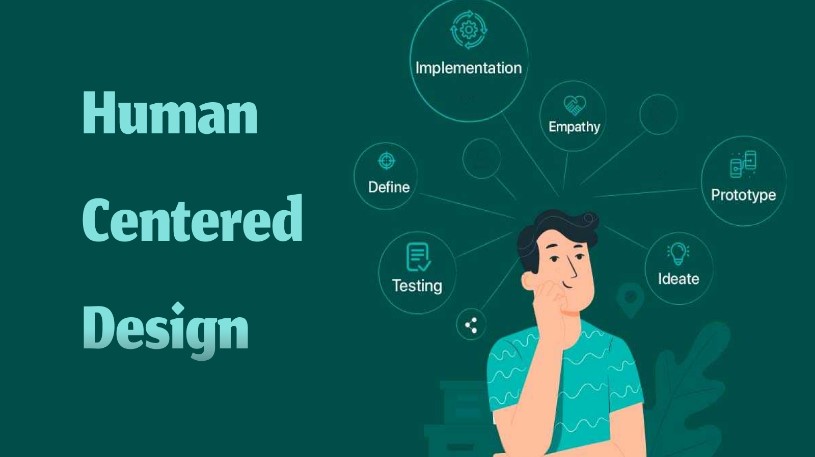
Understanding Human-Centric Design
Intempus emphasizes that the future of robotics lies in human-centric....(Episode: 01)
-

Enhancing Emotional Intelligence in Robots
By modeling internal states similar to those of humans, robots can develop.....(Episode: 02)
-
Improving Decision-Making Under Pressure
Human decision-making changes under fatigue or stress. Robots with....(Episode: 03)
-
Creating Trust Through Transparency
People are more likely to trust machines that appear to experience the....(Episode: 04)
-

Building Self-Regulating Robotic Systems
A robot that mimics physiological states can self-regulate by...(Episode: 05)