

Improving Decision-Making Under Pressure
Human decision-making changes under fatigue or stress. Robots with equivalent modeled states can simulate these conditions, leading to more nuanced and realistic behavior in simulations, training environments, and real-world applications like healthcare or military operations.
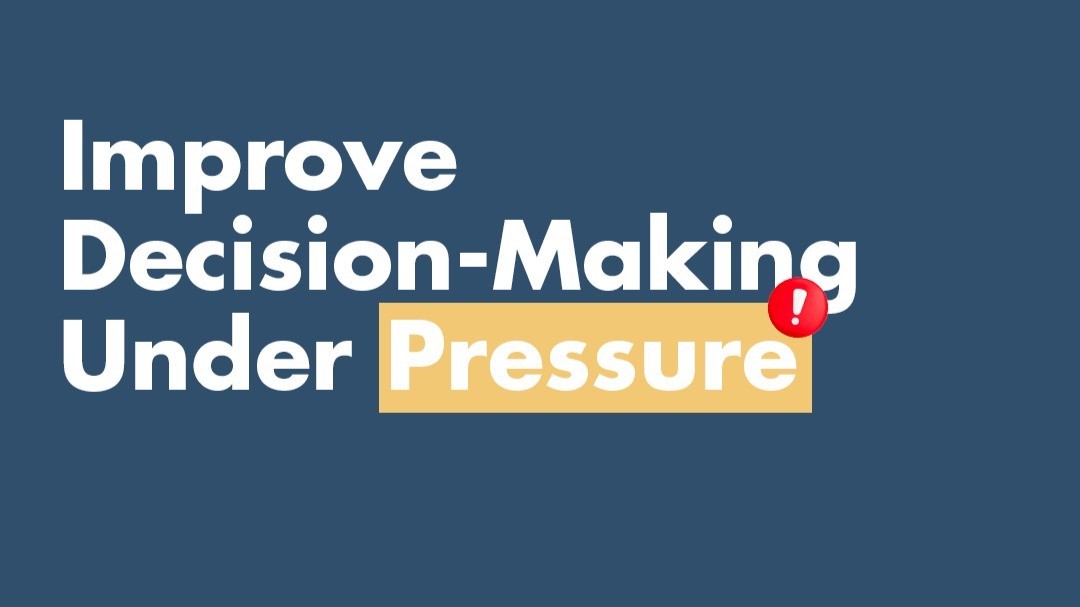
Figure 1. Enhancing Decision-Making in High-Pressure Situations.
Understanding Pressure and Its Effects on Humans
Humans often face pressure in high-stakes situations, which affects their cognitive abilities—sometimes impairing judgment, sometimes sharpening focus. Understanding how pressure impacts human decision-making is crucial to designing robots or AI systems that can operate effectively in similar scenarios. Figure 1 shows Enhancing Decision-Making in High-Pressure Situations.
Key Point:
Recognizing stress and pressure responses helps build systems that anticipate and adapt to fluctuating performance levels.
Modeling Stress and Cognitive Load in Robots
To improve decision-making under pressure, robots can be equipped with models that simulate human-like stress or cognitive load. These models help robots “understand” when conditions are challenging and adjust their behavior accordingly—such as slowing down or seeking additional data before acting.
Simulating cognitive states allows robots to self-regulate and avoid errors during critical moments.
Real-Time Monitoring and Feedback Systems
Integrating sensors and feedback mechanisms enables robots to monitor their environment and internal states in real-time. This dynamic monitoring can detect situations that require urgent attention or altered decision strategies, mirroring how humans prioritize under pressure.
Continuous feedback helps robots respond flexibly and appropriately to complex, time-sensitive scenarios.
Adaptive Algorithms for Dynamic Decision-Making
Adaptive algorithms empower robots to modify their decision-making processes based on current conditions. When under pressure, these algorithms might prioritize safety, simplicity, or speed depending on the context, ensuring optimal outcomes.
Flexibility in decision logic helps maintain performance quality in unpredictable, high-pressure situations.
Learning from Experience and Improving Resilience
post-event analysis and machine learning techniques allow robots to learn from past pressured decisions, improving future responses. Over time, this builds resilience and better judgment under stress, much like humans gain expertise through experience.
Continuous learning from pressure-filled scenarios enhances long-term reliability and effectiveness.
Applying Contextual Awareness to Decision-Making
After identifying the context, you can adopt strategies tailored to the specific environment:
- Simple Contexts: Follow standard operating procedures or established best practices that reliably produce good outcomes.
- Complicated Contexts: Perform detailed analysis and consult experts to fully understand the various components involved.
- Complex Contexts: Use iterative testing and real-time data to guide decisions. Flexibility and agility are essential here, as responses may need to adapt as new information becomes available.
- Chaotic Contexts: Act swiftly to stabilize the situation, prioritizing fast, decisive actions over finding the perfect solution.
- Disorder:Clarify the situation by breaking it down into smaller parts, categorize each according to the other context types, and address them with appropriate strategies.
Stress Management and Preparedness
Stress frequently arises during high-pressure decision-making and can heavily influence decision quality. While stress can help narrow focus in immediate crises, it can hinder complex and thoughtful problem-solving. Effective leaders understand the importance of managing stress—both their own and that of their teams—to maintain clarity and concentration during critical decision-making moments.
References:
- https://www.4leafperformance.com/keep-calm-and-decide-mastering-decision-making-under-pressure/
Cite this article:
Priyadharshini S (2025), Why Intempus Believes Robots Should Mimic Human Physiological States, AnaTechMaz, pp. 3
Why Intempus Believes Robots Should Mimic Human Physiological States
(EPISODE 'S)
-
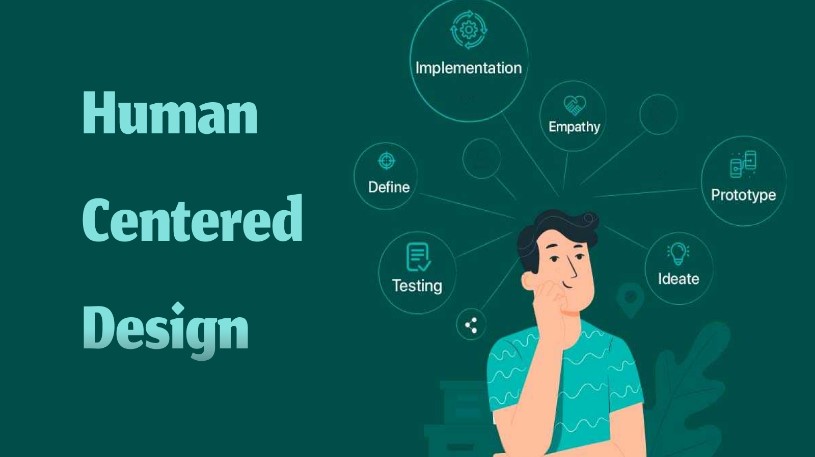
Understanding Human-Centric Design
Intempus emphasizes that the future of robotics lies in human-centric....(Episode: 01)
-
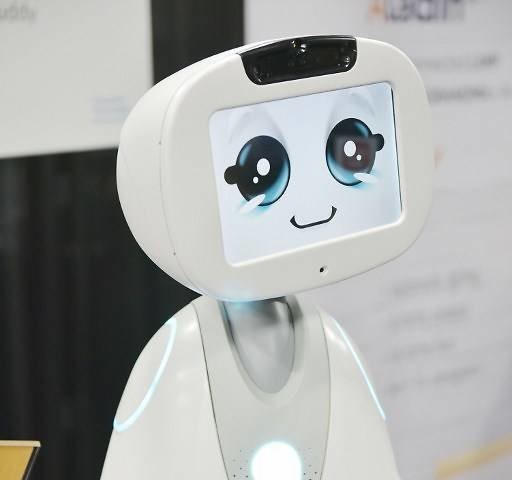
Enhancing Emotional Intelligence in Robots
By modeling internal states similar to those of humans, robots can develop.....(Episode: 02)
-
Improving Decision-Making Under Pressure
Human decision-making changes under fatigue or stress. Robots with....(Episode: 03)
-

Creating Trust Through Transparency
People are more likely to trust machines that appear to experience the....(Episode: 04)
-

Building Self-Regulating Robotic Systems
A robot that mimics physiological states can self-regulate by...(Episode: 05)