

Behind the Tech: Integrating Communication into Games
In today’s gaming world, communication is just as important as gameplay. Discord’s latest move—direct in-game voice and chat integration—is a perfect example of how technology is bridging the gap between social interaction and immersive play. But behind this seamless experience lies a complex web of innovation, engineering, and design.
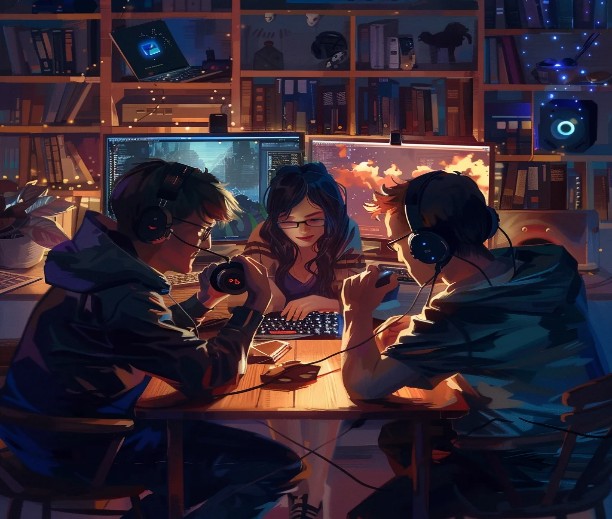
Figure 1. Integrating Communication into Games.
At its core, Discord’s system works by embedding real-time voice and text communication directly into the game environment. This means low-latency audio, synchronized chat channels, and context-aware notifications—all without disrupting the gameplay. Achieving this requires careful optimization to prevent performance drops, as well as robust security protocols to keep conversations private and safe [1]. Developers also gain powerful APIs that allow them to tailor communication features to their games, creating a custom experience that feels native rather than bolted on.
The result is a fluid social layer that enhances gameplay rather than interrupts it. Players can strategize, coordinate, or simply banter with friends without leaving the game or toggling between apps. For esports and competitive gaming, this translates into faster teamwork and sharper coordination; for casual play, it makes gaming more social and engaging. Figure 1 shows Integrating Communication into Games.
This integration also reflects a larger trend in game development: the fusion of social tools with interactive worlds. As communication technology becomes embedded, it transforms games from isolated experiences into shared adventures, fostering stronger communities and deeper connections.
By bringing chat and voice seamlessly into the gaming environment, Discord isn’t just providing a feature—it’s reshaping the way we play, connect, and experience games in the modern era.
References:
- https://aloa.co/blog/communication-game-development-teams
Cite this article:
Keerthana S (2025), Discord Brings Voice and Chat Directly into Games, AnaTechMaz, pp.3
Discord Brings Voice and Chat Directly into Games
(EPISODE 'S)
-

How Discord is Changing the Way Gamers Connect
For years, Discord has been the go-to platform for gamers to chat, organize, and build communities...(Episode: 01)
-

From Lobby to Gameplay: Chat and Voice Made Seamless
Gone are the days when gamers had to juggle multiple apps, alt-tab mid-match, or struggle with...(Episode: 02)
-
Behind the Tech: Integrating Communication into Games
In today’s gaming world, communication is just as important as gameplay. Discord’s...(Episode: 03)
-
What This Means for Multiplayer Experiences
Multiplayer gaming has always thrived on communication, strategy, and collaboration—but ...(Episode: 04)
-

The Future of In-Game Social Interaction
Gaming has always been more than just pixels and mechanics—it’s about shared experiences,...(Episode: 05)