

Scientists Identify Where DNA First Unzips
DNA replication begins with a precise opening point where the double helix first separates. Researchers have identified this initial site and uncovered a helicase gate that may release one DNA strand, offering new insight into how cells accurately start copying their genomes.
Published in Nature Communications, the study reveals new details about how cells precisely initiate DNA replication. The findings help explain how tightly controlled genome copying reduces errors that could otherwise damage genetic material.
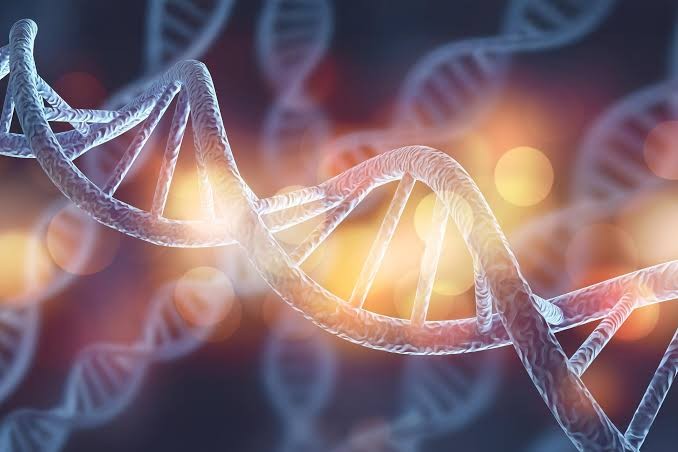
Figure 1. DNA First Opens Between Helicase Rings
DNA Opens at the Ring Junction
Before DNA can be copied, helicase enzymes unwind the double helix. Two MCM2-7 protein rings assemble at replication origins, then split apart upon activation to form the twin replication forks that drive genome duplication. Figure 1 shows DNA First Opens Between Helicase Rings.
Despite decades of research, the earliest stages of DNA replication have been difficult to observe in living cells. The new study pinpoints where DNA first opens, reveals how one strand exits the helicase ring, and shows how the replication machinery reorganizes as genome copying begins.
Researchers discovered how DNA replication begins by identifying where the double helix first opens and how the helicase is activated to separate the two strands. The findings reveal how cells accurately start copying their genetic material, a process often compared to unzipping a zipper before reading its instructions.
Using synthetic biology, genome-wide DNA mapping, and protein analysis in living yeast cells, researchers found that DNA first opens near the junction where the two MCM2-7 helicase rings meet. This same region also recruits proteins that initiate replication, suggesting cells coordinate multiple early replication steps within a single, tightly controlled DNA site.
Molecular Gate Releases a DNA Strand
Researchers identified a specialized gate in the helicase complex that allows one DNA strand to exit as replication begins. Blocking this gate with molecular tethers prevented the helicase from forming functional replication forks, demonstrating that the gate is essential for activating the DNA-copying machinery.
DNA Replication Follows a Coordinated Sequence
The study links DNA opening, helicase separation, strand release, and the movement of replication proteins into a single coordinated sequence. Researchers also identified previously unseen intermediate states that reveal how inactive helicase complexes transform into fully active DNA replication machines.
DNA Replication Mechanism May Be Widely Shared
The findings improve understanding of how cells accurately copy and preserve genetic information, helping maintain genome stability across generations. Although not immediately applicable to medicine, the conserved nature of these replication proteins suggests the same mechanisms may operate from yeast to humans.
The study highlights the value of observing molecular processes inside living cells, revealing both the structure and function of DNA replication machinery [1]. Researchers mapped where DNA first opens and identified the helicase gate that releases one DNA strand, providing a clearer picture of how cells precisely initiate genome copying.
References:
- https://scitechdaily.com/unzipping-the-code-of-life-scientists-pinpoint-where-dna-first-opens/
Cite this article:
Janani R (2026), Scientists Identify Where DNA First Unzips, AnaTechMaz, pp. 827
Recent Post
-

'Zombie Cells' Expose a Hidden Weakness That Could Slow Aging
Researchers have identified acid ceramidase as a potential weakness in aging "zombie cells," showing that...
-
Scientists Identify Where DNA First Unzips
DNA replication begins with a precise opening point where the double helix first separates. Researchers have......

White Blood Cell Discovery May Unlock Future Cancer Therapies
Researchers have identified a protein and signaling pathway that could help overcome the developmental block....

Scientists Engineer Gut Bacteria to Fight Pancreatic Cancer
Researchers have engineered gut bacteria to help trigger immune responses against pancreatic tumors....