

The Comeback of Basic: are Smartwatches Losing Steam
In a world obsessed with smart everything—phones, homes, appliances, even toothbrushes—it seemed like smartwatches were destined to be the next must-have item on everyone’s wrist. For a while, they were. But lately, a quiet shift has been unfolding in the world of wearables. Sales growth is slowing. Consumers are asking different questions. And basic, no-frills watches—yes, the kind that simply tell time—are making a surprising comeback.
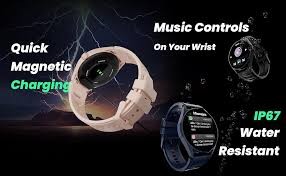
Figure 1. Smartwatches.
Peak Hype, Plateau Reality
The launch of the Apple Watch in 2015 was a cultural moment. Overnight, smartwatches transitioned from niche gadgets for fitness buffs to luxury status symbols. Tech brands from Samsung to Garmin jumped on board, releasing models that promised to track your steps, monitor your heart, alert you to texts, and even help you breathe. Figure 1 shows Smartwatches.
Fast forward to today: while the smartwatch market is still sizeable, growth has clearly slowed. According to recent market research, global shipments have dipped or plateaued year-over-year. Many early adopters are no longer upgrading every cycle, and some casual users are abandoning them altogether.
Battery Burnout & Feature Fatigue
One of the biggest complaints? Battery life. Most smartwatches last just a day or two on a charge, unlike traditional watches that run for years. Add in feature fatigue—with too many alerts, health prompts, and app integrations—and the convenience starts to feel like a burden.
“I got tired of being constantly connected,” says Julia Mendez, a former Apple Watch user. “It felt like my wrist was another smartphone—and not in a good way.”
The Rise of Minimalism
In parallel, a broader cultural trend is taking root: digital minimalism. As more people seek to unplug and reclaim their attention spans, traditional analog watches—or minimalist digital timepieces—are gaining favor. Stylish, timeless, and refreshingly simple, they represent a kind of rebellion against over-connectedness.
Luxury brands like Casio, Timex, and Swatch have leaned into this trend, releasing retro and classic designs that appeal to a younger audience looking for authenticity over utility.
Who Still Needs a Smartwatch?
This doesn’t mean smartwatches are going extinct. Health-conscious users, athletes, and productivity-focused professionals still swear by them [1]. And with innovations like continuous glucose monitoring and emergency SOS features, wearables may become more critical in medical and safety contexts.
Back to Basics, With Style
The return of the basic watch isn’t just about nostalgia—it’s about intentionality. A classic timepiece doesn’t demand your attention; it quietly complements your style. For many, that’s more than enough.
Final Tick:
In a time when technology is everywhere, maybe the most radical move is to choose something... that simply tells time.
References:
- https://economictimes.indiatimes.com/industry/cons-products/electronics/indians-turning-clock-back-on-smartwatches-shipments-fall-45yoy-in-the-september-qtr/articleshow/116300512.cms?from=mdr
Cite this article:
Keerthana S (2025), Xiaomi Tops the Charts as Basic Bands Drive Wearable Market Revival, AnaTechMaz, pp,3.
Xiaomi Tops the Charts as Basic Bands Drive Wearable Market Revival
(EPISODE 'S)
-

Why Simplicity is Winning in the Wearable Tech Game
In a world increasingly dominated by complex smartwatches, voice assistants, and ....(Episode: 01)
-
Breaking Down Xiaomi’s Strategy Behind the Surge
Once known as a budget smartphone brand in a crowded marketplace, Xiaomi has emerged ...(Episode: 02)
-
The Comeback of Basic: are Smartwatches Losing Steam
In a world obsessed with smart everything—phones, homes, appliances, even ....(Episode: 03)
-
Global Trends, Local Wins: How Xiaomi Captured Key Markets
When global tech giants battle for market dominance, the fight usually centers around ....(Episode: 04)
-
From Fitness Trackers to Market Leaders: What’s Next for Wearables
Not long ago, wearables were seen as niche gadgets—handy ....(Episode: 05)