

Introduction to GIGW 3.0
GIGW stands for Guidelines for Indian Government Websites. Version 3.0 updates these rules to ensure that all official websites and mobile apps are user-friendly, accessible, and secure. The focus is on creating a consistent experience across ministries and state agencies.
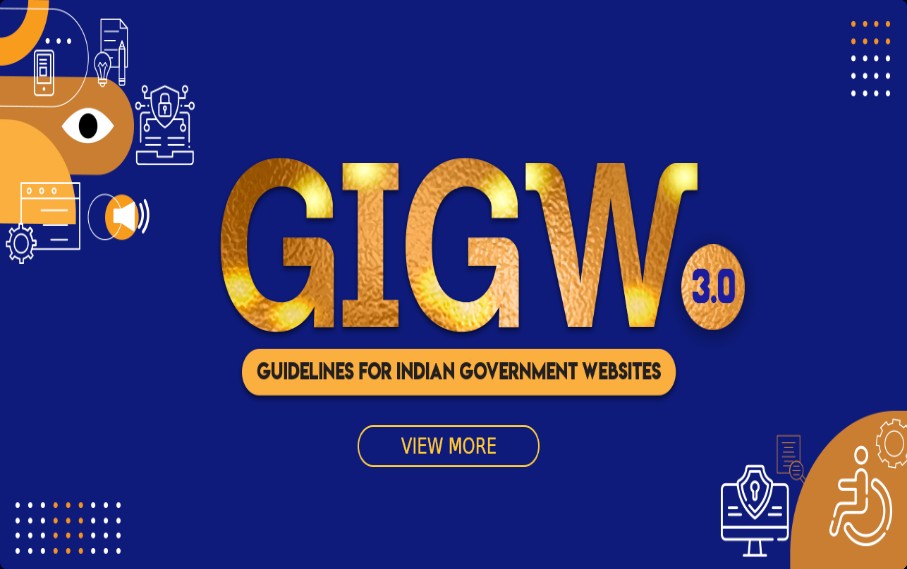
Figure 1. GIGW 3.0: India’s Next-Gen Guidelines for Government Websites & Apps.
Government websites in India have long faced inconsistencies in design, technology, content, and accessibility, creating obstacles to effective service delivery and citizen engagement. This highlighted the need for significant reforms to realize the vision of Digital India. The Guidelines for Indian Government Websites (GIGW) emerged as a key initiative in India’s e-governance framework. Launched in February 2009 by the National Informatics Centre (NIC), GIGW seeks to standardize the fragmented digital presence of government departments across the country. Figure 1 shows GIGW 3.0: India’s Next-Gen Guidelines for Government Websites & Apps.
Adopted by the Department of Administrative Reforms and Public Grievances (DARPG) as part of the Central Secretariat Manual of Office Procedure (CSMOP), GIGW was built around three primary objectives:
- Establish a uniform government identity
- Build citizen trust
- Ensure high-quality and accessible content
Developed through extensive consultations, the guidelines address critical challenges such as security vulnerabilities, accessibility for persons with disabilities, and the absence of standardized content management frameworks.
Functioning
The latest version, GIGW 3.0, operates through a multi-stakeholder model involving government organizations, developers, hosting service providers, and evaluators. NIC, the Standardisation Testing and Quality Certification (STQC) Directorate, and the Indian Computer Emergency Response Team (CERT-In) collaboratively drive its implementation.
Each ministry or department is required to appoint a Web Information Manager (WIM), typically at the Joint Secretary level, to ensure compliance, oversee content policies, and manage digital assets. GIGW 3.0 includes 88 mandatory guidelines divided into four key domains:
- Quality (25 guidelines)
- Accessibility (50 guidelines aligned with WCAG 2.1)
- Cybersecurity (3 guidelines)
- Lifecycle Management (10 guidelines)
The STQC certification process involves document review, frontend and backend testing, and evaluation of policies detailed in the Website Quality Manual (WQM), which provides standardized templates for essential policies such as Security, Content Management, Copyright, and Contingency Planning. GIGW also mandates integration with national digital platforms like India Portal, DigiLocker, Aadhaar services, and Single Sign-On (SSO) to ensure a seamless user experience. Cloud-based infrastructure, such as S3WaaS (Secure, Scalable, and Sugamya Website as a Service), facilitates rapid and compliant website deployment.
Performance
GIGW has successfully standardized over 8,000 government websites at the central, state, and local levels. The National Portal of India aggregates this content, giving citizens unified access to services and information. Compliance with WCAG 2.1 AA standards has significantly improved accessibility for persons with disabilities.
Mandatory security audits conducted by NIC and CERT-In help mitigate vulnerabilities and maintain robust cybersecurity. Multilingual support has enhanced inclusivity, enabling content publication in English, Hindi, and regional languages. Standardized SEO practices and content management protocols have improved search visibility and user engagement, while S3WaaS has reduced development time and costs. Performance monitoring tools track uptime, link integrity, content freshness, and traffic, resulting in measurable improvements in user satisfaction. Most government websites now also include standardized grievance redressal mechanisms.
Impact
GIGW has elevated the quality, transparency, and inclusivity of government digital platforms. Clear ownership disclosures, privacy policies, and content update mechanisms have strengthened public trust and accountability.
Accessibility improvements, such as screen reader compatibility, high-contrast modes, and keyboard navigation, ensure compliance with the Rights of Persons with Disabilities Act, 2016. Economically, uniform development standards and cloud-based infrastructure have reduced costs and increased efficiency.
India’s global standing in e-governance has improved, with GIGW now seen as a model for digital standardization. The initiative has fostered specialized ecosystems for developers and service providers while enhancing the cybersecurity posture of government IT infrastructure.
Emerging Challenges
Despite these successes, challenges remain. The digital divide continues to limit access, particularly in rural and marginalized areas lacking high-speed internet or digital literacy. Vulnerable groups—such as the elderly, women, and informal sector workers—may still face navigational barriers despite compliance with accessibility standards.
Cybersecurity threats are evolving rapidly, including AI-driven attacks, deepfakes, and supply chain vulnerabilities, requiring continuous updates to GIGW protocols. Legacy systems in some departments hinder timely compliance. At the local level, resource constraints—including funding, technical expertise, and infrastructure—affect implementation. Outdated or inaccurate content management also risks undermining user trust and engagement.
References:
- https://www.impriindia.com/insights/digital-governance-gigw-3-0/?utm_source=chatgpt.com
Cite this article:
Priyadharshini S (2025), GIGW 3.0: India’s Updated Design Standards for Government Websites and Apps, AnaTechMaz, pp. 1
GIGW 3.0: India’s Updated Design Standards for Government Websites and Apps
(EPISODE 'S)
-
Introduction to GIGW 3.0
GIGW stands for Guidelines for Indian Government Websites. Version 3.0 updates these rules to ensure that all.....(Episode: 01)
-

Design & User Experience
GIGW 3.0 emphasizes a mobile-first approach and responsive design so that websites work seamlessly.....(Episode: 02)
-
Accessibility & Inclusivity
All websites and apps must be accessible to people with disabilities, adhering to WCAG 2.1 standards. This includes support....(Episode: 03)
-
Performance & Security
Websites must load quickly, even on low-bandwidth connections, and be secure against cyber threats. This ......(Episode: 04)
-
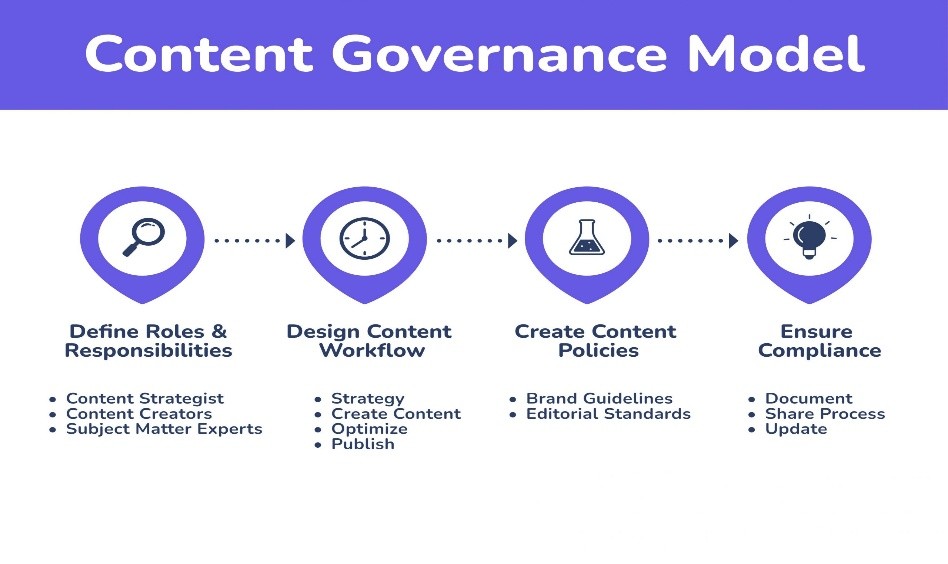
Content & Governance
Content should be accurate, up-to-date, and clearly structured. GIGW 3.0 also defines standards for governance ....(Episode: 05)