

The Secrets of Skin Color: Researchers Discover 135 New Melanin Genes Behind Pigmentation
The intricate interplay of melanin, the light-absorbing pigment, governs the captivating diversity of skin, hair, and eye colors among the global population, a phenomenon explored in a recent article in the prestigious journal Science. Lead author Dr. Vivek Bajpai, an accomplished assistant professor in the School of Sustainable Chemical, Biological, and Materials Engineering at the University of Oklahoma, in collaboration with esteemed colleagues from Stanford University, has unveiled a study delving into pigmentation genetics. Their rigorous research has successfully discovered 135 novel genes intricately linked to pigmentation.
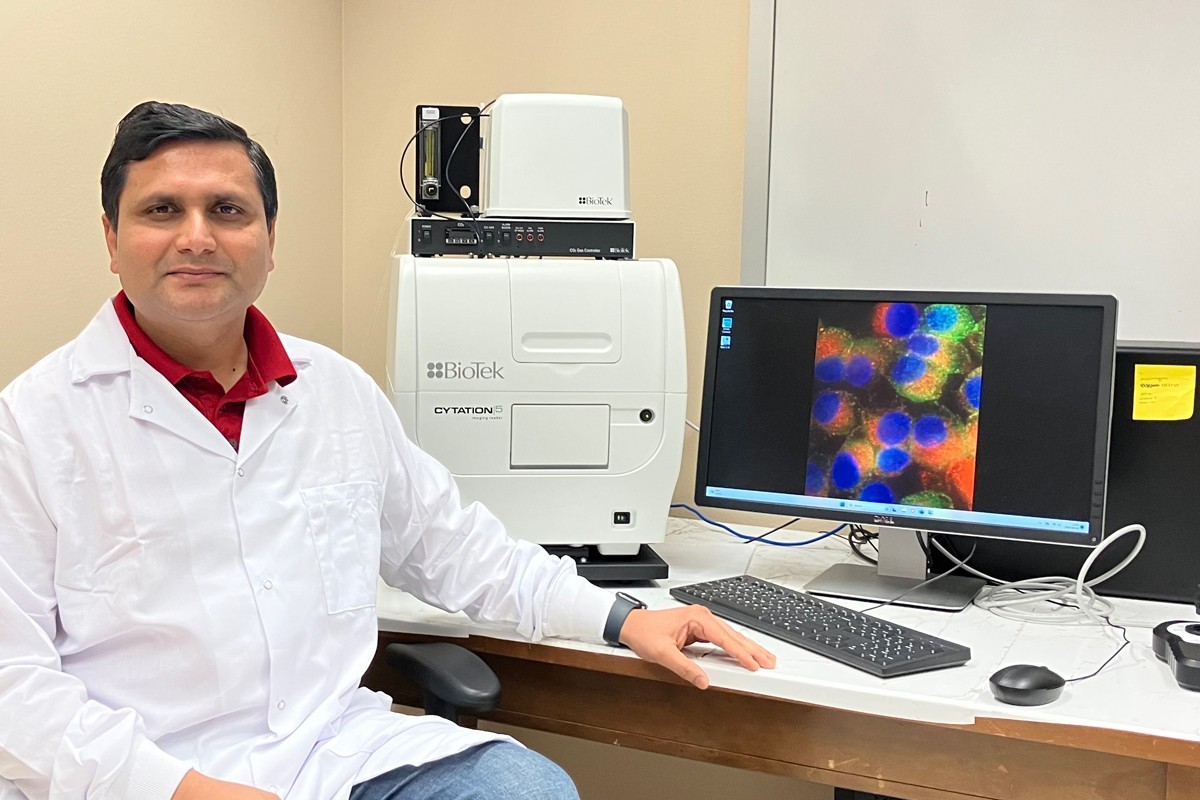
Figure 1. Dr. Bajpai. (Credit: The University of Oklahoma)
In Figure 1 Bajpai shows human pigment cells stained to reveal different components. The genesis of melanin occurs within specialized structures called melanosomes, nestled within melanocytes, the cells responsible for its production. While all individuals possess the same count of melanocytes, it is the varying levels of melanin synthesis that give rise to the mosaic of human skin tones. Dr. Bajpai and his team embarked on a journey to unravel the enigma of melanin production by harnessing CRISPR-Cas9 technology, a revolutionary genetic tool. In a meticulously orchestrated feat, they systematically deactivated over 20,000 genes across countless melanocytes, meticulously observing the consequential impact on melanin generation.
The paramount task of isolating melanin-deficient cells from the vast milieu of unaffected cells necessitated an ingenious approach. Dr. Bajpai deftly engineered an innovative technique within in vitro cell cultures, finely attuned to the nuances of melanocyte activity. Employing the process of side-scatter flow cytometry, the team discerned cells characterized by differential melanin levels. The secret lay in the dance of light - if an abundance of melanin was present, light diffused significantly more compared to cells with less pigment. This discerning separation led to the unraveling of both newfound and established genes that intricately choreograph the symphony of melanin production in humans.
Intriguingly, the investigators uncovered 169 genes encompassing a myriad of functions that orchestrate the melanin saga. Among this genetic tapestry, 135 genes had hitherto eluded scientific scrutiny. The narrative deepened as the roles of two newfound genes, KLF6 and COMMD3, were unveiled. KLF6, a DNA-binding protein, emerged as a pivotal figure orchestrating melanin diminution across diverse species, casting a spotlight on its cross-species significance. Meanwhile, COMMD3, a protein sculpting melanin synthesis by modulating melanosomal acidity, was unmasked.
The historical backdrop of melanin's role unfurled intriguingly. As humanity traversed latitudes, the need for varying pigmentation unfolded. Closer to the equator, heightened pigmentation served as a safeguard against ultraviolet radiation, while distant shores ushered in diminished pigmentation needs. The study's revelations bear tangible implications beyond mere curiosity. In the realm of medical advancement, these insights could pave the way for shielding fair-skinned individuals from the menace of melanoma, offering hope in the battle against skin cancer. Furthermore, the newfound melanin genes could potentially catalyze the development of transformative therapies for conditions like vitiligo and other pigmentation disorders.
Beyond its impact on humans, the innovation encapsulated in this research holds potential for broader applications. Fungi and bacteria, too, harness melanin production to their advantage. By extrapolating the methodology to these microorganisms, researchers could potentially unearth pivotal melanin-related genes, enabling novel interventions against pathogenic microbes and crop-damaging agents.
Dr. Bajpai's scholarly contributions were nurtured during his tenure at the University of Oklahoma, although some facets of this odyssey unfurled during his postdoctoral research at Stanford University. The study's endeavors were bolstered by generous funding, including support from the Oklahoma Center for Adult Stem Cell Research, the U.S. Department of Defense, the Howard Hughes Medical Institute, the National Institute of General Medical Sciences, the Stinehart-Reed Award, and the Ludwig Center for Cancer Stem Cell Research and Medicine.
Source: University of Oklahoma
Cite this article:
Hana M (2023), The Secrets of Skin Color: Researchers Discover 135 New Melanin Genes Behind Pigmentation, AnaTechmaz, pp.533