

Hidden Prism Structures Found in Deep-Sea Hunter
A terrifying deep-sea fish with needle-like fangs may hold the key to the next generation of biomedical technology. Researchers studying the slender fangjaw (Sigmops gracilis) have discovered remarkable prism-like crystal structures that manipulate and recycle light in the dark depths of the ocean. Scientists now believe these natural optical systems could inspire advanced medical implants capable of operating more efficiently inside the human body.
The deep ocean is home to one of nature’s most extraordinary light shows. Nearly 75 percent of marine organisms produce bioluminescence, using specialized organs called photophores to glow in the darkness for hunting, communication, and survival. However, the slender fangjaw appears to possess a far more sophisticated light-management system than previously understood.
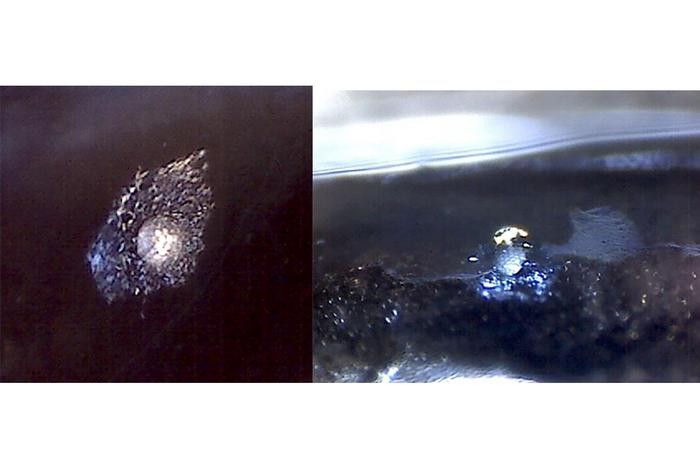
Figure 1. light-scattering crystals.
Researchers at Hiroshima University discovered that the fish’s light organs are surrounded by dense layers of microscopic guanine crystals. Unlike the reflective crystals found in common fish species, these needle-shaped structures act more like living prisms. Instead of simply reflecting light, they bend, scatter, and redirect it in highly controlled ways, allowing the fish to recycle leaked light and maximize brightness in specific directions.
Using electromagnets and advanced optical analysis, scientists observed how the crystals manipulate light under different conditions. The study revealed strong directional light reflection, suggesting the fish’s body functions like a natural photonic crystal system optimized for deep-sea survival [1]. This unique biological design could help engineers solve one of medicine’s biggest challenges: controlling light inside the human body.
Modern biomedical implants rely increasingly on light for monitoring internal health, activating therapies, and transmitting information. However, human tissue and fluids absorb and scatter light, making efficient optical systems difficult to develop. The fangjaw’s highly specialized crystal structures offer a potential blueprint for tiny implants capable of redirecting and recycling light with exceptional efficiency, even in complex biological environments.
Scientists say the discovery highlights the untapped technological potential hidden within deep-ocean life. As researchers continue exploring extreme marine environments, strange creatures once viewed as monsters may provide inspiration for future breakthroughs in medicine, optics, and advanced materials science. The slender fangjaw is a reminder that some of the most important innovations of tomorrow may already exist in nature—waiting to be discovered in the darkest corners of the ocean.
References:
- https://www.eurekalert.org/news-releases/1129175
Cite this article:
Keerthana S (2026), Hidden Prism Structures Found in Deep-Sea Hunter, AnaTechMaz, pp.1259.