

Caffeine Found to Restore Memory Circuits After Sleep Deprivation
New research is shedding light on how sleep loss disrupts the brain—and how a familiar everyday compound might help reverse some of that damage. Scientists at the Yong Loo Lin School of Medicine, National University of Singapore, have discovered that caffeine may restore specific memory circuits affected by sleep deprivation, particularly those involved in social memory.
Social memory is what allows us to recognize and distinguish familiar individuals, a key aspect of human interaction. The study, published in Neuropsychopharmacology, explores how caffeine influences this ability at both the cellular and behavioral levels.
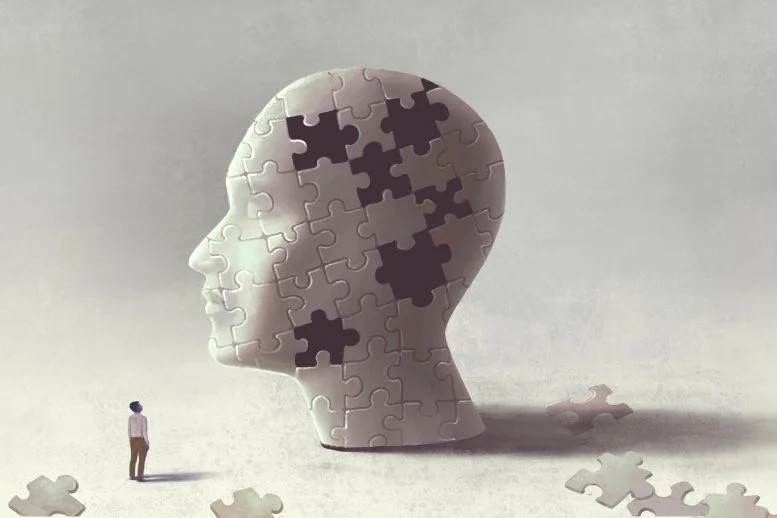
Figure 1. Restore Memory Circuits After Sleep Deprivation.
How Sleep Loss Disrupts Memory
Led by Associate Professor Sreedharan Sajikumar and Dr. Lik-Wei Wong, the research focused on the hippocampal CA2 region—a specialized part of the brain linked to learning, memory, and social recognition. This region also plays a role in regulating the sleep–wake cycle, making it especially vulnerable to sleep deprivation. Figure 1 shows Restore Memory Circuits After Sleep Deprivation.
In controlled experiments, subjects were deprived of sleep for five hours and later given caffeine over several days. Researchers then examined brain activity using electrophysiological techniques to measure synaptic plasticity—the brain’s ability to strengthen connections between neurons. The results were clear: sleep deprivation weakened communication between neurons in the CA2 region, disrupting synaptic plasticity and leading to noticeable deficits in social memory.
Caffeine’s Surprising Role
When caffeine was introduced before sleep deprivation, the effects were strikingly different. Neural communication in the CA2 region recovered, synaptic plasticity returned to normal, and social memory performance improved.
Rather than broadly stimulating the brain, caffeine appeared to act in a highly targeted way—restoring the specific neural pathway affected by sleep loss without overstimulating other regions. Even in subjects that were not sleep deprived, caffeine did not cause excessive neural activity.
Beyond Staying Awake
The findings suggest that caffeine’s benefits may go beyond simply boosting alertness. By blocking adenosine receptors—molecules that accumulate during wakefulness and slow brain activity—caffeine may help preserve or restore critical memory functions under conditions of sleep loss [1]. Researchers highlight the CA2 region as a key link between sleep and memory, offering new insight into how cognitive decline occurs when rest is disrupted.
Looking Ahead
This study underscores the importance of sleep for maintaining brain health, while also opening the door to potential targeted therapies for memory-related disorders. Future research will explore how caffeine affects memory formation and retrieval, as well as how specific brain circuits can be manipulated to better understand these effects.
Together, the findings point to a more nuanced view of caffeine—not just as a stimulant, but as a compound that may help protect and restore essential brain functions.
References:
- https://scitechdaily.com/scientists-discover-caffeine-can-repair-key-memory-circuits-after-sleep-loss/
Cite this article:
Keerthana S (2026), Caffeine Found to Restore Memory Circuits After Sleep Deprivation, AnaTechMaz, pp.1252