

Scientists Left Speechless by Shocking Carbon Discovery in Sweden
Old-growth boreal forests may be storing far more climate-saving carbon beneath their surface than scientists once believed. While towering spruce and pine trees dominate the landscape, the real carbon treasure lies underground—in dense, needle-rich soils that have quietly accumulated carbon for centuries.
A groundbreaking study led by researchers from Lund University and Stanford University reveals that modern industrial logging is significantly weakening this natural climate advantage. Surprisingly, the greatest losses are not in the trees, but in the soil below.
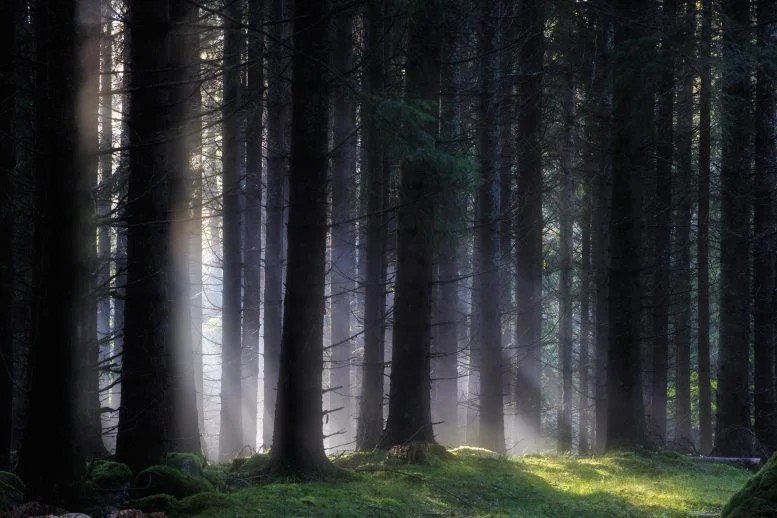
Figure 1. Sweden’s Old-Growth Boreal Forests.
Over three years, scientists surveyed more than 200 forest sites across Sweden, combining field data with decades of national forest and soil records. Their analysis—published in Science on March 19—offers the most comprehensive estimate yet of carbon stored across vegetation, dead wood, soil, and even harvested timber products. Figure 1 shows Sweden’s Old-Growth Boreal Forests.
The results are striking. Undisturbed primary forests hold 72% more carbon per acre than the managed forests that often replace them. When excluding carbon stored in wood products like paper and bioenergy, that figure jumps to 83% more. Even more surprising, the gap is 2.7 to 8 times larger than previous official estimates.
In real-world terms, restoring Sweden’s managed forests to the carbon-rich state of primary forests could prevent nearly 8 billion tons of carbon dioxide from entering the atmosphere—equivalent to the nation’s total fossil fuel emissions over the past two centuries.
The Underground Carbon Crisis
What shocked researchers most was the role of soil. In these ancient forests, nearly two-thirds of all carbon is stored within the top meter of soil, far surpassing the carbon held in living trees.
Industrial practices such as logging and soil disturbance appear to cause long-lasting damage. Once disrupted, these ecosystems struggle to regain their original carbon storage capacity. The loss, scientists say, is not only significant—it is persistent.
Adding to the concern, Sweden has been losing unprotected old-growth forests at a rate of 1.4% per year, a pace that exceeds even parts of the Brazilian Amazon. Unlike tropical deforestation, however, boreal forest loss is harder to detect. Managed forests often look nearly identical to natural ones from satellite images, masking the true scale of change.
Rethinking Forests in Climate Strategy
Globally, forests are central to climate solutions. Many strategies rely on increased use of northern forests for bioenergy and timber. But if managed forests store far less carbon than their old-growth counterparts, current climate models may be overly optimistic.
The study suggests that protecting remaining primary forests—and restoring degraded ones—could have a far greater climate impact than previously assumed. Beyond carbon storage, such efforts would also enhance biodiversity and ecosystem resilience.
A Microbial Mystery Beneath the Trees
Scientists are now turning their attention to an intriguing question: what makes old-growth forests so effective at storing carbon?
One theory points to the rich communities of fungi and microbes living in the soil and tree roots. These microscopic organisms may play a crucial role in locking carbon underground [1]. Researchers are exploring whether these biological processes could be replicated to help managed forests recover more quickly—potentially accelerating carbon storage without waiting centuries for forests to mature.
A Deeper Understanding of Nature’s Climate Power
This research highlights a powerful but often overlooked truth: the value of forests extends far beyond what we see above ground. Beneath the forest floor lies a vast, hidden system that plays a critical role in regulating the planet’s climate.
As scientists continue to uncover these underground dynamics, one message becomes clear—protecting old-growth forests may be one of the most effective tools we have in the fight against climate change.
References:
- https://scitechdaily.com/shocking-carbon-discovery-in-swedens-forests-stuns-scientists/
Cite this article:
Keerthana S (2026), Scientists Left Speechless by Shocking Carbon Discovery in Sweden, AnaTechMaz, pp.1247