

GIGW 3.0: India’s Updated Design Standards for Government Websites and Apps
When was the last time you visited a government website and found it cluttered, outdated, or nearly impossible to use on your phone? For years, India’s digital governance faced this challenge – well-intentioned initiatives hampered by poor design, inconsistent layouts, and limited accessibility. But as citizens increasingly depend on digital platforms for public services, the government has had to rethink its approach to web design.
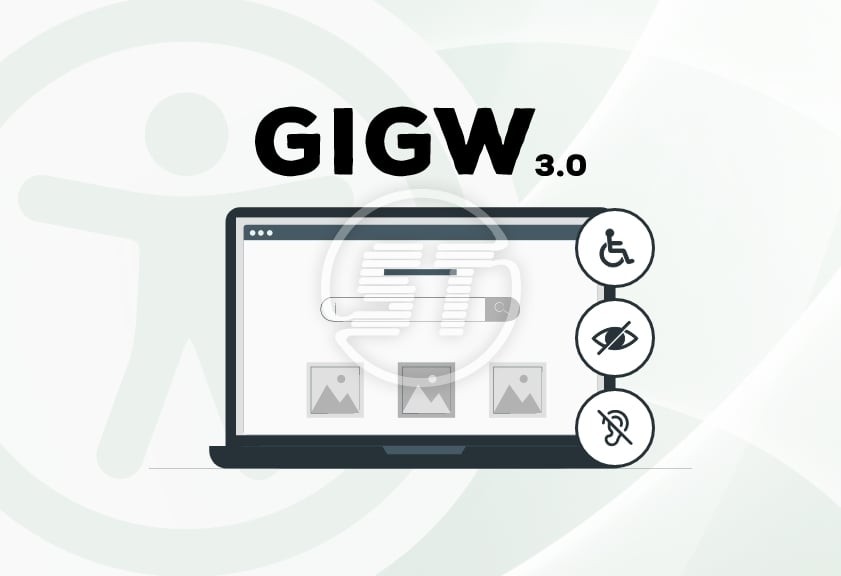
Figure 1. India’s GIGW 3.0: New Design Standards for Government Websites and Apps.
Enter GIGW 3.0 – the Guidelines for Indian Government Websites and Apps. Developed by the National Informatics Centre (NIC) with inputs from CERT-In and the Standardisation Testing and Quality Certification (STQC) directorate, this updated framework sets the standards for how official websites and apps should look, function, and evolve. More than just a design guide, it provides a comprehensive blueprint for user experience, inclusivity, security, and sustainability across all government digital platforms. Figure 1 shows India’s GIGW 3.0: New Design Standards for Government Websites and Apps.
Unlike GIGW 2.0, which emphasized compliance checklists, GIGW 3.0 takes a more holistic approach, aligning India’s digital platforms with global standards in design and accessibility. It introduces 88 mandatory checkpoints across four critical domains: Quality, Accessibility, Cybersecurity, and Lifecycle Management.
quality: Making Government Websites User-Friendly
In GIGW 3.0, quality is about making official websites and apps efficient, intuitive, and consistent across ministries. The guidelines mandate a mobile-first approach with responsive layouts, faster load times, and clear navigation. Uniform branding ensures that whether a user visits the Ministry of Health’s portal or a state tourism site, the interface feels familiar and professional.
Content also receives special attention. Information must be up-to-date, written in plain language, and, wherever possible, available in multiple Indian languages. The goal is to move away from the “cluttered notice board” feel of traditional government websites toward a modern, streamlined, and citizen-friendly experience. Quality in GIGW 3.0 is about building trust through usability.
accessibility: Designing for Every Citizen
Accessibility forms the core of GIGW 3.0, covering more than half of its checkpoints. The guidelines follow WCAG 2.1 AA standards, an international benchmark for web accessibility.
Government platforms must support screen readers, provide alt text for images, maintain adequate color contrast, and enable keyboard-only navigation. Videos and multimedia are required to include captions or transcripts.
GIGW 3.0 goes further by addressing mobile accessibility and cognitive disabilities, ensuring inclusivity for people with low vision, learning differences, or motor impairments. This also aligns with obligations under the Rights of Persons with Disabilities Act, 2016. Accessibility ensures that digital governance is not a privilege but a right.
cybersecurity: Safeguarding Trust
Government websites handle sensitive data ranging from Aadhaar numbers to health records, making cybersecurity critical. In GIGW 3.0, security is integrated into design from the outset. Developed in collaboration with CERT-In, the guidelines align with ISO 27001, OWASP ASVS/Top 10, and CIS benchmarks.
Mandatory measures include secure coding practices, encryption, and proactive vulnerability management throughout the application lifecycle. Cybersecurity in GIGW 3.0 ensures that citizens not only access digital services but do so safely.
Lifecycle Management: Building for the Long Term
One of the major shortcomings of government websites has been stagnation. Many sites launch with fanfare but quickly fall into disrepair, with outdated information, broken links, and unsupported features. GIGW 3.0 addresses this through lifecycle management, ensuring that government digital assets are continuously updated, maintained, and modernized to serve citizens effectively over time.
Reference:
- https://www.digit.in/features/general/what-is-gigw-30-indian-govts-design-guidelines-for-official-websites-and-apps.html
Cite this article:
Priyadharshini S (2025), GIGW 3.0: India’s Updated Design Standards for Government Websites and Apps, AnaTechMaz, pp. 304
Recent Post
-

Gmail Users Targeted by Advanced Threats Amid Surge in Voice Phishing
At first, it seems like any ordinary call—a courteous voice claiming.....
-
Apple Study Reveals LLMs Gain from the Classic Productivity Hack
After training, a large language model (LLM) often undergoes reinforcement .....
-
Google to Restrict Sideloading of Unverified Android Apps Beginning Next Year
Android’s open ecosystem set it apart from the iPhone when touchscreen.....
-
GIGW 3.0: India’s Updated Design Standards for Government Websites and Apps
When was the last time you visited a government website and found.....
-

MathGPT.AI the “Cheat-Resistant” Learning Assistant, Now Adopted by 50+ Institutions
As AI becomes increasingly common in classrooms—where students often.....
-
Meta AI’s Superintelligence Lab Faces Turmoil as Key Team Members Exit
Just months after Mark Zuckerberg unveiled his boldest moonshot yet....
-
ChatGPT: A Complete Guide to the AI-Powered Chatbot
Since its debut in November 2022, ChatGPT—OpenAI’s text-generating AI.....
Google Rolls Out Preferred Sources to Aid Critical News Readers
In today’s world, getting your news from trusted outlets matters more than ever—not just.....

Chatbots Can be Influenced by Flattery and Social Pressure
AI chatbots are generally designed not to do things like insult users or provide.....

Vibe-Hacking’ Emerges as a Major AI Threat
Agentic AI systems are being weaponized,” begins Anthropic’s latest Threat.....
-

WhatsApp Introduces AI-Powered ‘Writing Help’ to Polish and Rephrase Messages
Meta is bringing an AI-powered writing tool to WhatsApp, offering....
-

ChatGPT Projects Now Open to Free Users with New Features
OpenAI has expanded access to ChatGPT Projects, making them available to free users. In addition.....
-

WhatsApp AI Scams: Meta Deletes 6.8 Million Accounts
Meta has carried out its biggest cybersecurity enforcement on WhatsApp, deleting 6.8....
-

YouTube AI Age Verification: Examining Safety and Privacy Risks
YouTube serves as the internet’s virtual living room, offering billions of videos across countless topics and often....
-

Chatbots Perform Best with Clear, Formal Language
Speaking to an AI chatbot in informal language, as many users do, can lower the accuracy of.....