

Research Links Addictive Tech Habits in Teens to Greater Mental Health Risks
Adolescents who become deeply attached to mobile phones, social media, or video games may face a higher risk of mental health problems — including suicidal thoughts and behaviours — according to a large-scale, long-term study.
Tracking nearly 4,300 children from the age of nine or ten over four years, researchers shifted the focus away from raw screen time and instead examined signs of compulsive digital use. Young people who struggled to cut back, felt distress without access, or allowed their digital habits to interfere with daily responsibilities were found to have a significantly higher chance of developing emotional and behavioural challenges as they got older.

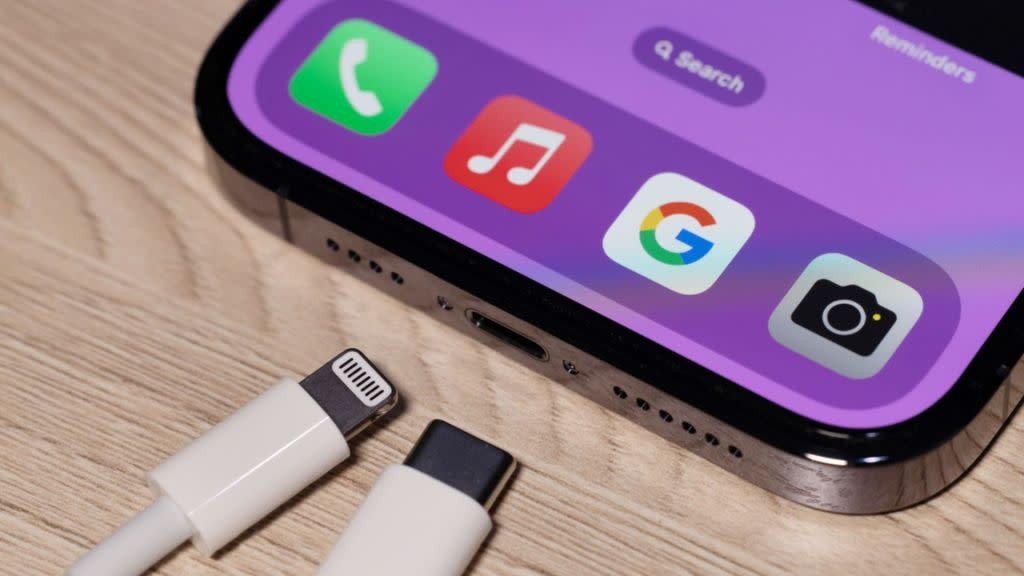
Figure 1. Addictive Tech Habits in Teens.
By the end of the study period, those with persistently high or increasing compulsive phone or social media use were roughly twice as likely to report suicidal behaviour compared to peers with stable, low-risk use. Similar patterns were observed in video game use: over 40% of participants landed in a high-risk group, with notable links to anxiety, depression, aggression, and rule-breaking behaviours.
Crucially, the researchers noted that it wasn’t the sheer number of hours online that posed the greatest threat. Instead, it was the emotional and behavioural patterns surrounding technology use — the signs of dependence and loss of control — that were more strongly associated with negative mental health outcomes.
To better understand these risks, the study grouped participants by their usage patterns rather than relying on average screen time [1]. For mobile phone use, about half of the children displayed signs of addictive behaviour early on that persisted over time. Another quarter developed these patterns as they aged. In the realm of social media, around 41% of children followed a similar high-risk or escalating trajectory.
These concerning patterns were linked to a two- to threefold increase in the likelihood of suicide-related thoughts or behaviours and broader emotional difficulties, suggesting that the way young people engage with digital platforms can shape their mental health trajectory. Figure 1 shows Addictive Tech Habits in Teens.
While the study stops short of proving that excessive digital use directly causes mental illness, it does highlight that compulsive digital behaviour might reflect deeper struggles — or even worsen them. The lure of always-on access, algorithm-driven feeds, and instant social feedback can make it particularly tough for vulnerable teens to step away.
Experts say these findings should prompt parents, educators, and policymakers to look beyond screen time caps alone. Approaches borrowed from addiction treatment could be more effective in addressing the root causes of dependence, rather than simply limiting use.
At a time when concerns over youth mental health and debates over smartphone policies are rising, this research adds important nuance: it’s not just about how long teens are online, but how and why they use digital platforms that truly matters.
References:
- https://www.digitalinformationworld.com/2025/06/addictive-digital-habits-in-teens-may.html
Cite this article:
Keerthana S (2025), Research Links Addictive Tech Habits in Teens to Greater Mental Health Risks, AnaTechMaz, pp.266
Recent Post
-

OpenAI May Soon Allow You To ‘Sign in with ChatGPT’ on Third-Party Apps
OpenAI is considering introducing a "Sign in with ChatGPT".....
-

Microsoft Begins Testing Copilot for Gaming in The Xbox App on iOS and Android
Microsoft announced on Wednesday the beta rollout of its Copilot......
-

Nvidia Anticipates Billions in Revenue Loss Due to H20 Chip Licensing Mandates
As Nvidia announced its earnings for the first quarter of fiscal......
-
Apple Reportedly Set to Launch AI-Powered Battery-Saving Feature in Ios 19 For Iphones
Speculation is heating up around the upcoming iOS 19 update.....
-

Android 16 Rolls Out Enhanced Security and Intelligent Anti-Theft Features
Android 16, the upcoming major update for Android devices, is......
-

Children’s Websites Riddled with Tracking and Inappropriate Ads, Study Finds
At first glance, websites designed for children appear safe and......
-

Google Maps User Spots Mysterious Satellite Zooming Over Texas, possibly a Starlink Satellite
In an unexpected twist of digital sleuthing, a Reddit user recently......

Trump Mobile Unveils $499 Android Smartphone with an Unlimited Service Plan Priced At $47.45 Per Month
The Trump Organization has...

How Your Android Phone Is Capable of Detecting Earthquakes
Your Android phone has a hidden life-saving feature you may not know about: it can detect earthquakes and send ...

ElevenLabs Launches Mobile Text-to-Speech App—No Browser Required
ElevenLabs has introduced a new mobile app that allows users to...
-
Research Links Addictive Tech Habits in Teens to Greater Mental Health Risks
Adolescents who become deeply attached to mobile phones,...
-

Researchers Crack Security of eSIM Chips Found in Billions of Devices
A newly discovered vulnerability in widely used eSIM chips could...
-

Rugged Adventure Phone Delivers Sharper Visuals with Built-In Projector
Portable projectors can deliver movies to the campsite or support......
-

What Gibberish Reveals About ChatGPT’s Grasp of Language
By now, most of us have tried to stump a chatbot — asking if it has feelings, testing......
-

How to Disable AI Features in Windows for a More Peaceful Experience
Microsoft—like most major tech companies—is packing artificial......